Personal Finance
Everyday financial news, practical guidance, and decisions that matter to your money.

1.8 Million Americans Are Long-Term Unemployed as the Job Market Gets Harder to Reenter
About 1.8 million Americans were unemployed for at least 27 weeks in July, accounting for more than one-quarter of all unemployed workers. A slower-hiring labor market could make job loss increasingly costly for household savings, debt, credit and long-term earnings.

Fed Chair Kevin Warsh Signals the Inflation Fight Isn’t Over
Fed Chair Kevin Warsh used his first Jackson Hole keynote to warn that inflation remains above target while offering little guidance on when interest rates could fall. Here’s what his “quieter Fed” approach could mean for mortgages, HELOCs, credit cards, and household borrowing costs.

Credit Card Delinquency Hits Highest Level Since the Great Recession
Credit card delinquency just hit its highest level since the Great Recession — nearly 13% of balances are seriously past due. Here's what's driving it and what it means for your own debt.

D.C. Black Unemployment Hits 10.1%, SPR Risks Rise, and TreasuryDirect Deadline Nears
Black unemployment in Washington, D.C. has reached 10.1%, concerns are growing around the Strategic Petroleum Reserve, TreasuryDirect users face an October authentication deadline, and AI is changing the college ROI conversation. Here’s what the August 17 financial headlines could mean for households.

Roth Conversions Can Trigger More Taxes Than Retirees Expect
Roth conversions can affect more than today's income-tax bill. Additional IRA withdrawals used to pay conversion taxes can increase taxable Social Security income and potentially trigger higher Medicare IRMAA premiums two years later.
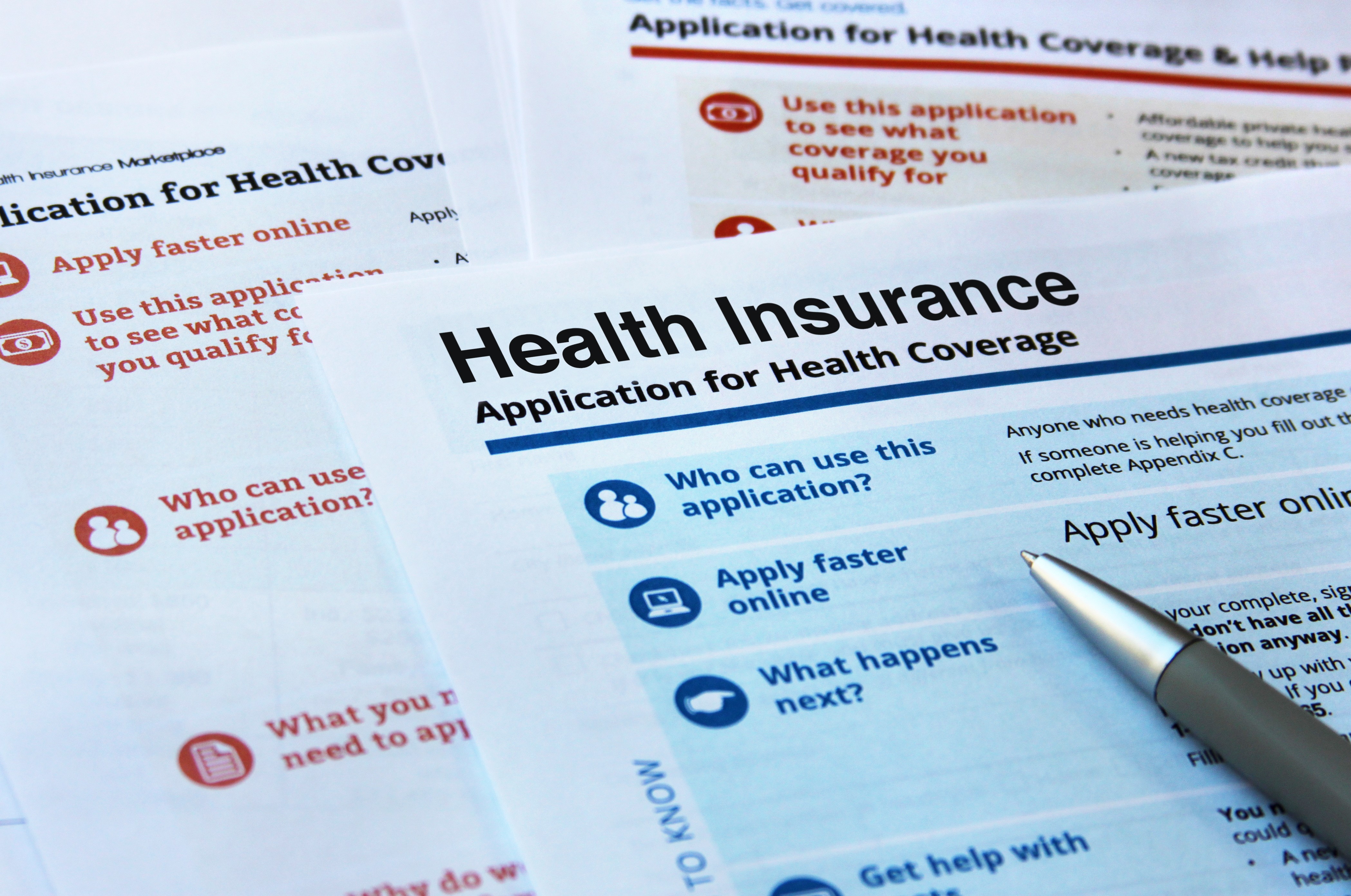
ACA Health Insurance Costs Rise as Millions Leave Marketplace Coverage
ACA Marketplace enrollment has fallen to about 19.2 million people as average premium payments rise 58% and deductibles climb 37%. Here's how higher health insurance costs are affecting household budgets and coverage decisions.

Childcare Costs Are Reshaping How Working Families Make Financial Decisions
The national average annual price of childcare reached $13,184 in 2025, while care for two children costs more than median rent in every state with available data. Here's how childcare expenses are affecting work, savings, debt and other financial decisions for families.
July Job Losses Hit Retail, Hospitality, Finance and Local Government
July job losses were concentrated in local government education, leisure and hospitality, retail, and financial services. At the same time, high housing costs are becoming a recruiting problem for employers, leading some school districts to develop affordable housing for teachers.

Mortgage Rates Near 7% Keep Housing Affordability Under Pressure
Mortgage rates remain close to 7% while home prices stay elevated, creating a difficult affordability equation for buyers. Here’s how higher rates affect monthly payments, housing inventory and the true cost of homeownership.
July Jobs Report Raises New Questions About the Fed’s Next Move
The U.S. economy lost 23,000 jobs in July as earlier payroll estimates were revised sharply lower, changing expectations for the Federal Reserve’s September rate decision. Here’s what weaker hiring could mean for interest rates, mortgages and household finances.

Michigan Supreme Court Expands Consumer Protections Against Unfair Business Practices
A Michigan Supreme Court ruling narrowed a longstanding exemption in the state's Consumer Protection Act, potentially giving consumers greater ability to challenge unfair or deceptive business practices. Here's what changed and why it matters.

Medicare Part D Premium Subsidy Is Ending: What Enrollees Should Know for 2027
The Medicare Part D Premium Stabilization Demonstration will end after 2026, potentially increasing standalone prescription drug plan premiums for millions of beneficiaries. Learn what is changing, when final 2027 prices will be released, and how to compare Medicare drug plans during Open Enrollment.

Interest Rates Remain High. Here's What That Means for Your Money.
The Federal Reserve chose to leave interest rates unchanged this week, but that doesn't necessarily mean borrowing is becoming more affordable.
College Costs Continue Creating Financial Barriers
More than 500 incoming Howard University students lost their enrollment after tuition payment deadlines were missed, highlighting broader college affordability challenges.

Federal Appeals Court Clears the Way for Student Loan Forgiveness for More Than 500,000 Borrowers
The Ninth Circuit rejected the Department of Education's attempt to delay relief under the Sweet v. McMahon settlement, clearing the way for continued student loan forgiveness.

Homebuyer Affordability Continues to Decline. Here's What It Means for Buyers
Buying a home isn't getting much easier.

CFPB Stops Publishing Consumer Complaint Narratives
The CFPB will no longer publish consumer complaint narratives publicly. Here’s what changed, what didn’t, and how to protect your own paper trail.
© Copiafy Inc. 2026 All Rights Reserved.