COPIAFY NEWS · CATEGORY
LATEST COVERAGE

AI Could Create a Tax Problem—Not Just a Jobs Problem
AI may create more than an employment challenge. Because U.S. tax revenue depends heavily on wages and payroll, widespread labor displacement could eventually put pressure on Social Security, Medicare and government budgets—even if economic productivity continues rising.

1.8 Million Americans Are Long-Term Unemployed as the Job Market Gets Harder to Reenter
About 1.8 million Americans were unemployed for at least 27 weeks in July, accounting for more than one-quarter of all unemployed workers. A slower-hiring labor market could make job loss increasingly costly for household savings, debt, credit and long-term earnings.

Strait of Hormuz Shipping Is Improving—but Energy Risks Haven’t Disappeared
Brief market context and practical takeaways for financial wellness decisions.

U.S. National Debt Tops $40 Trillion. Here’s Why It Could Matter for Interest Rates
The U.S. national debt has crossed $40 trillion as federal deficits and interest expenses continue to grow. Here’s how rising Treasury borrowing costs could influence mortgage rates, business financing and the broader economy.

New U.S.-Canada Tariffs Could Raise Costs for Food, Housing and Consumer Goods
New 50% U.S. tariffs on selected Canadian products and retaliatory Canadian tariffs beginning September 8 could affect costs across food, construction, manufacturing, and other industries. Here’s how the U.S.-Canada trade dispute could eventually reach household budgets.

Fed Chair Kevin Warsh Signals the Inflation Fight Isn’t Over
Fed Chair Kevin Warsh used his first Jackson Hole keynote to warn that inflation remains above target while offering little guidance on when interest rates could fall. Here’s what his “quieter Fed” approach could mean for mortgages, HELOCs, credit cards, and household borrowing costs.

D.C. Black Unemployment Hits 10.1%, SPR Risks Rise, and TreasuryDirect Deadline Nears
Black unemployment in Washington, D.C. has reached 10.1%, concerns are growing around the Strategic Petroleum Reserve, TreasuryDirect users face an October authentication deadline, and AI is changing the college ROI conversation. Here’s what the August 17 financial headlines could mean for households.
July Job Losses Hit Retail, Hospitality, Finance and Local Government
July job losses were concentrated in local government education, leisure and hospitality, retail, and financial services. At the same time, high housing costs are becoming a recruiting problem for employers, leading some school districts to develop affordable housing for teachers.

$875 Billion in Commercial Real Estate Loans Face a 2026 Refinancing Test
About $875 billion in commercial and multifamily mortgages are scheduled to mature in 2026. Higher borrowing costs could make refinancing difficult for some property owners, with potential consequences for banks, investors, local economies and credit markets.

Higher Oil and Diesel Prices Are Adding Pressure to Household Budgets
Higher oil and diesel prices are increasing transportation costs as the Iran conflict continues to disrupt energy markets. Here's how rising fuel expenses can move through supply chains and eventually affect groceries, deliveries and household budgets.
July Jobs Report Raises New Questions About the Fed’s Next Move
The U.S. economy lost 23,000 jobs in July as earlier payroll estimates were revised sharply lower, changing expectations for the Federal Reserve’s September rate decision. Here’s what weaker hiring could mean for interest rates, mortgages and household finances.

Gas Prices Dip Below $4 — For Now
Brief market context and practical takeaways for financial wellness decisions.

Nearly 4 in 10 Working Maryland Households Still Cannot Afford the Basics
A newly released ALICE report found that 39% of Maryland households are living in poverty or earning too little to consistently afford housing, food, child care, transportation and other necessities.

Major U.S. Banks Report Strong Second-Quarter Earnings as Executives Watch Economic Risks
Despite the positive financial results, executives across the banking sector continued to emphasize that inflation, geopolitical uncertainty, and changing interest rate expectations remain key risks that could influence economic conditions in the months ahead.
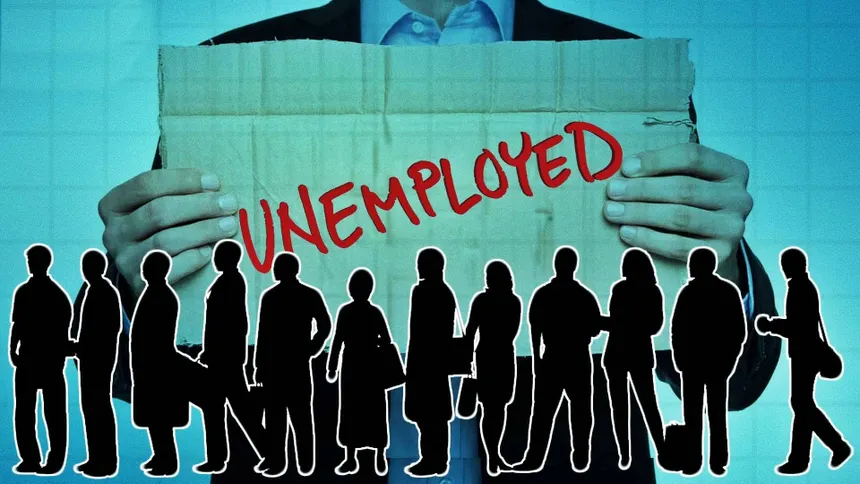
The Recovery Isn't Reaching Everyone: Why Long-Term Unemployment Still Matters
While headline employment numbers remain relatively stable, an estimated two million Americans continue experiencing long-term unemployment.

Inflation Remains Elevated. Here's What It Means for Your Everyday Budget.
Inflation eased slightly in June, but the United States continues to experience the highest inflation rate among G7 nations.

D.C. Black Unemployment Hits 10.1%, Highest in Nation
D.C. now has the nation’s highest unemployment rate, and Black unemployment there has reached 10.1%. Here’s what’s driving it and how to protect your finances if your income feels uncertain.

Is Black Unemployment a Warning Sign for the Broader Economy?
Black unemployment is rising while national numbers look stable. Here’s what the data actually says about recession risk — and what it doesn’t.

The Consumer Is Pulling Back
Retail sales dropped, sentiment tumbled, and gas prices hit record August highs — all in the same stretch. Here’s what’s behind the pullback and what it means for your budget.

Wholesale Inflation Cools, But the Emergency Oil Reserve Is Wearing Thin
Wholesale inflation came in flat in July — good news — but the emergency oil reserve just hit its lowest level in over 40 years. Here’s why both matter for your budget.
RELATED TOPICS
© Copiafy Inc. 2026 All Rights Reserved.