Personal Finance

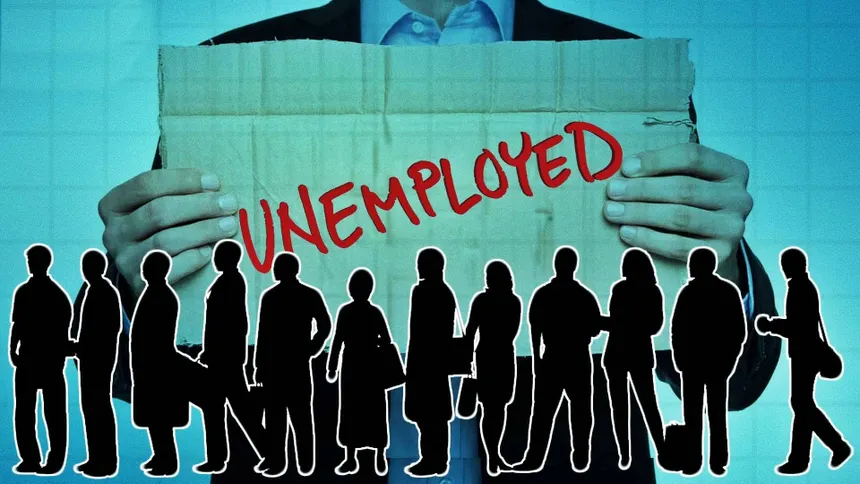
While headline employment numbers remain relatively stable, an estimated two million Americans continue experiencing long-term unemployment.
Although overall labor market indicators suggest resilience, many individuals remain on the sidelines of the workforce. Older workers, people without college degrees, and those facing other employment barriers continue experiencing longer job searches and greater financial challenges.
For many households, the recovery looks very different than the headlines suggest.
What Is Long-Term Unemployment?
Long-term unemployment generally refers to individuals who have been unemployed and actively seeking work for an extended period.
The longer someone remains out of the workforce, the more difficult it can become to secure new employment. Skills may become outdated, professional networks can shrink, and employers may favor candidates with more recent work experience.
As a result, prolonged unemployment often creates financial pressures that extend well beyond the loss of a paycheck.
How Does Long-Term Unemployment Affect Financial Health?
Extended periods without income can impact nearly every aspect of a household's finances.
Families may rely more heavily on savings, increase credit card balances, postpone retirement contributions, or delay paying down debt. Financial stress can also make it more difficult to build emergency savings or qualify for future loans.
Even after returning to work, recovering financially can take months—or even years.
Why Are Some Workers More Affected?
Not every worker experiences the labor market in the same way.
Older workers may encounter age-related hiring challenges, while individuals without college degrees or specialized training may face fewer employment opportunities in certain industries. Geographic location, caregiving responsibilities, and industry-specific changes can also influence how quickly someone finds new employment.
These differences help explain why strong national employment numbers don't always reflect every individual's experience.
What Can You Do During Employment Uncertainty?
Whether you're actively looking for work or simply preparing for the unexpected, maintaining strong financial habits can help improve your resilience.
Review your monthly expenses, prioritize building an emergency fund when possible, monitor your credit, organize important financial documents, and create a plan for managing income interruptions.
Being financially organized can help reduce stress and make it easier to navigate unexpected career changes.
Stay Financially Prepared with Copiafy
Employment situations can change quickly, but having your financial life organized can make difficult transitions more manageable.
Copiafy provides a secure financial workspace where you can organize budgets, bills, financial documents, credit information, savings goals, and important records—all in one place.
Whether you're planning for career growth, navigating unemployment, or simply strengthening your financial foundation, Copiafy helps you stay organized and prepared for whatever comes next.
Create your free Copiafy account today and build greater financial confidence—through every stage of your career.