Personal Finance

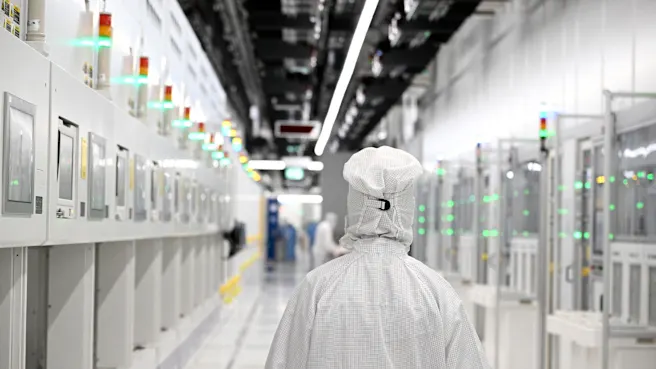
Major technology companies and financial institutions continue investing billions of dollars in artificial intelligence infrastructure as AI becomes one of the biggest drivers of business strategy, innovation, and economic growth.
From data centers and cloud computing to software development and automation, organizations across nearly every industry are increasing investments in AI technologies. While many believe these investments will transform productivity and create new opportunities, businesses and investors are still evaluating whether today's spending will generate sustainable long-term returns.
One thing is clear: AI is already influencing the economy in meaningful ways.
Why Are Companies Investing So Much in AI?
Artificial intelligence has the potential to automate repetitive tasks, improve decision-making, accelerate research, enhance customer experiences, and increase operational efficiency.
For many organizations, investing in AI isn't simply about adopting new technology—it's about remaining competitive in an increasingly digital economy.
As a result, businesses are directing significant resources toward AI infrastructure, software platforms, cloud computing, cybersecurity, and workforce development.
How Is AI Changing the Economy?
AI investment is becoming one of the largest drivers of corporate spending and business innovation.
Companies are creating new products, redesigning workflows, expanding data infrastructure, and hiring employees with specialized AI skills. Entire industries—including healthcare, finance, manufacturing, retail, and professional services—are adapting to new technologies that promise to improve efficiency and productivity.
These investments are also influencing financial markets, as investors closely watch which companies are best positioned to benefit from continued AI adoption.
What Does This Mean for Workers and Consumers?
Artificial intelligence is expected to change how many jobs are performed—not simply replace them.
Many organizations are using AI to assist employees with routine tasks, allowing workers to focus on higher-value activities that require critical thinking, creativity, and human judgment.
For consumers, AI may lead to faster services, more personalized experiences, and new financial and digital tools. At the same time, adapting to new technologies and continuing to build relevant skills will remain important as the workplace evolves.
Why Long-Term Results Still Matter
While enthusiasm surrounding AI remains high, businesses and investors continue asking an important question: Will today's investments produce lasting value?
As with many emerging technologies, widespread adoption takes time. Companies must demonstrate that AI investments improve productivity, generate measurable business outcomes, and create sustainable financial returns.
The long-term impact of AI will likely depend not only on technological innovation, but also on responsible implementation and real-world business value.
Prepare for the Future with Copiafy
Technology will continue transforming how we work, manage money, and make financial decisions.
Staying organized is one of the best ways to adapt to an evolving economy.
Copiafy provides a secure financial workspace where you can organize budgets, financial documents, bills, credit information, savings goals, and important records—all in one place.
Whether technology changes rapidly or gradually, having your financial life organized helps you make smarter decisions with greater confidence.
Create your free Copiafy account today and stay financially prepared for the future of work and finance.